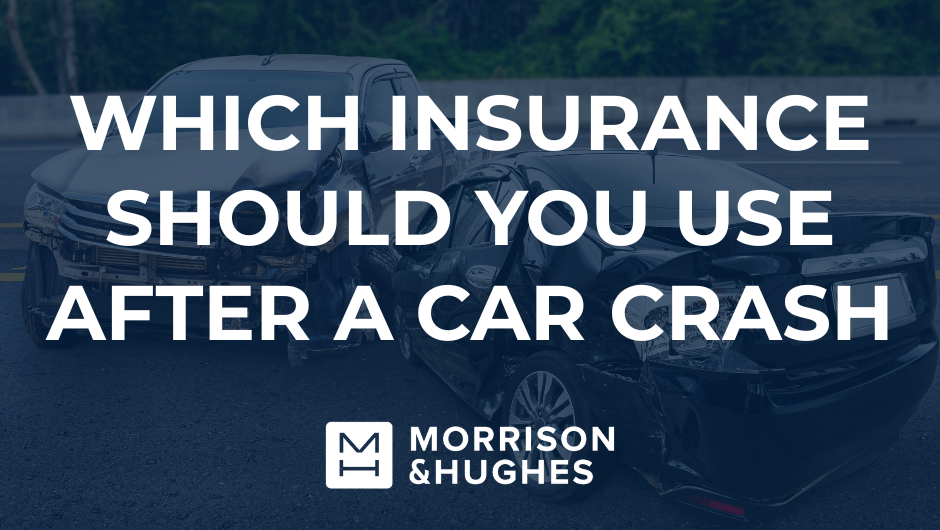
After a car crash, one of the first questions most people ask is: Should I use my own insurance, or the other driver's?
The answer might surprise you, because in many cases you can choose either. Here's how the two options compare in Georgia.
Use Your Own Insurance
- Faster, easier repairs — your insurer can arrange towing, estimate damage, and start repairs without waiting for the other company to accept fault.
- Your rates can't go up in Georgia if you weren't at fault — the law protects you from premium increases on a not-at-fault claim.
- Downside: you usually pay your deductible up front — but your insurer can often recover it from the at-fault driver and reimburse you.
Use the Other Driver's Insurance
- File directly with the at-fault driver's insurer.
- May take longer — they'll want to investigate before approving repairs or payment.
- Upside: it can save you from paying a deductible up front.
Option 1: Use Your Own Insurance
Using your own insurance often means faster and easier repairs. Your insurer can help get your car towed, estimate the damage, and start the repair process right away, without waiting for the other driver's company to accept fault.
And here's some peace of mind: in Georgia, your insurance rates can't go up if you weren't at fault. The law protects you from premium increases when you file a claim for a crash that wasn't your fault.
The only downside? You'll typically have to pay your deductible up front — but your insurance company can often recover that money from the at-fault driver's insurer and reimburse you later.
Option 2: Use the Other Driver's Insurance
You can also file directly with the at-fault driver's insurance company. This may take longer since they'll want to investigate before approving repairs or payments. However, it can save you from paying a deductible up front.
Whichever route you take, it's smart to compare estimates from both insurers to make sure you're getting a fair deal.
Tip: Know Your Car's True Value
Most insurance companies use something called the “Black Book” to determine your car's value — but not all companies come up with the same number.
To make sure you're being treated fairly, check your car's worth using free tools like Kelley Blue Book. This helps you negotiate confidently if your car is totaled or undervalued.
A Word of Caution
It's fine to talk to the insurance adjuster about property damage, but don't discuss how the accident happened or how you're feeling physically. That's where mistakes can cost you.
Let your lawyer handle those conversations. Anything you say about fault or your injuries can be used to reduce your claim. Keeping those discussions with your attorney protects your rights and strengthens your case.
In a Crash? We Don't Back Down.
You don't have to handle the insurance maze alone. Our car crash team helps you protect your deductible, your rates, and your claim — and there's no fee unless we win.
In a Crash? We Don't Back Down.
If you've been in a car accident, you don't have to handle the insurance maze alone. At Morrison & Hughes, our car crash team is here to help you every step of the way.
Call Morrison and Hughes at 404-LAW-TEAM. Morrison & Hughes — your car crash legal team. We Don't Back Down.