Free & Confidential Consultation • Proudly Standing With Organized Labor • Hablamos Español
Your Georgia Premises Liability Attorneys

Georgia Slip and Fall Lawyers

Their Floor. Their Negligence. Your Recovery.

A wet floor with no sign. A broken stair. A pothole in a dark parking lot. When a property owner ignores a hazard they should have fixed, the fall can shatter a hip, a wrist, or a skull. Morrison & Hughes holds negligent Georgia property owners accountable — statewide.

Injury cases: no fee unless we win
Trial-tested advocates
6 office locations
0M+
Fall ER Visits / Year
Falls are the #1 cause of ER visits (NFSI)
0M+
Slip/Trip ER Visits
Slip-and-fall ER visits each year (NFSI)
0M
Older-Adult Fall ER Visits
Adults 65+, 2021 (CDC)
0yr
Deadline to File in GA
Statute of limitations (O.C.G.A. § 9-3-33)
Premises Liability Across Georgia

A Fall Isn’t “Just Clumsy.” Often, It’s Someone Else’s Negligence.

Insurance companies love to blame the victim. “You should have watched where you were going.” But Georgia law is clear: property owners and businesses have a legal duty to keep their premises reasonably safe for the people they invite in. When they ignore a spill, a loose handrail, a dark stairwell, or a cracked walkway, and you get hurt, that is negligence — and you have rights.

Morrison & Hughes Law Firm represents slip, trip, and fall victims throughout Georgia — from Atlanta grocery stores and apartment complexes to LaGrange parking lots and beyond. We move fast to preserve incident reports and surveillance video, identify what the owner knew, and prove the “superior knowledge” the law requires. Then we build a case worthy of a jury.

Tell Us What Happened
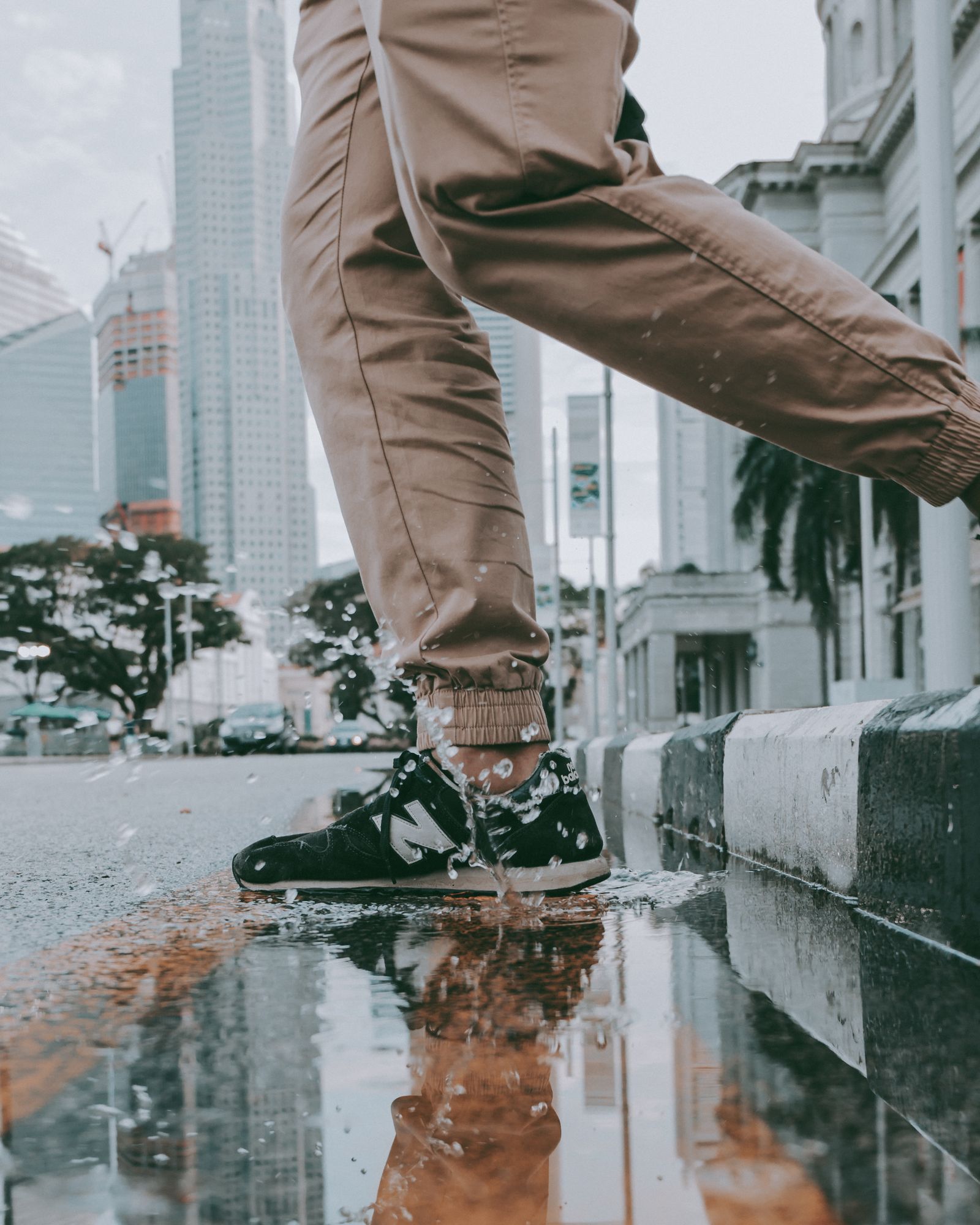

A person stepping onto a wet, slippery surface — a common slip-and-fall hazard
The Scale of the Problem

Slip, Trip & Fall Statistics

The numbers below come from the Centers for Disease Control and Prevention (CDC) and the National Floor Safety Institute (NFSI). Falls are the single leading cause of emergency-room visits in the United States — and the leading cause of injury death for older adults.

Older-Adult Fall ER Visits

Annual ED visits for falls, U.S. adults 65+ (millions)
Source: CDC — roughly 3 million older-adult fall ED visits per year (2021); ~38,000 fall deaths among adults 65+ in 2021.

Falls as a Share of ER Visits

Falls vs. all other causes of U.S. emergency-room visits
Source: National Floor Safety Institute (NFSI) — falls account for roughly 21% of ER visits, the leading single cause.

Common Causes of Slip-and-Fall Injuries

Leading contributing factors to fall incidents
Source: NFSI / CDC — flooring & floor materials contribute to ~2 million falls per year; wet surfaces and uneven walking surfaces dominate.

Why Fall Cases Matter

Falls compared to other unintentional injuries (U.S.)
Source: CDC — non-fatal older-adult fall medical costs were ~$80 billion in 2020, projected above $101 billion by 2030.
Why Falls Happen

Common Slip & Fall Hazards in Georgia

Most serious falls are not accidents — they are the predictable result of a hazard the property owner created, knew about, or should have caught on a routine inspection. These are the conditions we see most often.

Wet & Slippery Floors

Spilled liquids, freshly mopped tile, leaking coolers, and tracked-in rain — with no warning cone in sight. Wet surfaces are the most common slip-and-fall hazard in Georgia stores and restaurants.

Uneven & Cracked Walkways

Buckled sidewalks, cracked parking-lot pavement, raised thresholds, and abrupt level changes catch the toe and send a person down hard.

Broken Stairs & Missing Handrails

Loose treads, worn carpet runners, and stairwells without code-compliant handrails turn an ordinary descent into a fall down a full flight.

Poor Lighting

Dim or burned-out lighting in stairwells, parking decks, and apartment breezeways hides the very hazards a visitor needs to see and avoid.

Loose Mats, Rugs & Cords

Curled entrance mats, unsecured rugs, and stretched extension cords are classic trip hazards — especially at store entrances and in offices.

Debris & Obstructed Aisles

Merchandise on the floor, stocking carts, fallen produce, and cluttered aisles create obstacles that careful shoppers cannot reasonably anticipate.

Weather & Entrance Hazards

Rain-slicked entryways, ice on untreated steps, and pooled water at automatic doors. Owners must address known weather hazards within a reasonable time.

Parking Lots & Garages

Potholes, wheel stops, unmarked curbs, drainage grates, and oil slicks. A large share of premises falls happen before the customer ever reaches the door.

Negligent Maintenance

Deferred repairs, ignored work orders, and “we’ll get to it later” maintenance create hazards an owner had every opportunity to fix.

The Human Cost

Common Slip and Fall Injuries

A fall is not “minor” because it happened in a store. The same impact that bruises a young adult can fracture a hip or cause a brain bleed in an older person — and those injuries change lives.

Broken Hips & Pelvis

Hip fractures are among the most serious fall injuries, especially for adults over 65. They often require surgery, lengthy rehabilitation, and can permanently reduce independence and mobility.

Traumatic Brain Injuries (TBI)

A head striking tile, concrete, or a stair edge causes concussions, contusions, and brain bleeds. Falls are a leading cause of TBI, and symptoms can be delayed by hours or days.

Spinal Cord & Back Injuries

Herniated discs, fractured vertebrae, and spinal cord damage can cause chronic pain, nerve damage, and in severe cases partial or full paralysis.

Wrist, Arm & Shoulder Fractures

The instinct to brace a fall drives the force into the wrist, elbow, and shoulder — leading to fractures, torn rotator cuffs, and surgery with hardware.

Knee, Ankle & Leg Injuries

Torn ligaments, meniscus damage, and broken ankles or legs from twisting and impact often require surgery and months of physical therapy.

Soft-Tissue Injuries & Chronic Pain

Sprains, strains, deep bruising, and connective-tissue damage are routinely undervalued by insurers — yet they can cause lasting pain and disability.

Free Case Evaluation

Do You Have a Slip and Fall Case?

Answer a few quick questions. We’ll tell you whether you may have a premises liability case, and a Morrison & Hughes attorney will call you. Free, confidential, no obligation.

Step 1 of 6

Were you injured in the fall?

Even injuries that worsened over the next few days count.

Tell us why you are seeking legal advice

A few words about your situation helps us point you to the right attorney. There’s no obligation.

Where did the fall happen?

Property someone else owns, controls, or is responsible for maintaining.

What caused you to fall?

A hazardous condition the property owner could have fixed.

When did the fall happen?

Georgia’s statute of limitations is generally two years (O.C.G.A. § 9-3-33).

Did you receive medical treatment?

ER visit, urgent care, doctor visit, ongoing therapy — anything counts.

One last step — send this to our team

Your answers are already written into the message below. Add your contact details, tell us anything else in your own words, and press Send Message. Nothing is sent until you do.

Know the Statutes

Georgia Premises Liability Law That Affects Your Case

Georgia premises liability turns on one core idea — the property owner’s superior knowledge of the hazard. These statutes and the landmark Robinson v. Kroger framework shape what you must prove and how long you have to act.

O.C.G.A. § 51-3-1

Duty of Owners to Invitees

When an owner invites the public onto property “for any lawful purpose,” they must exercise ordinary care to keep the premises and approaches safe. Customers and business guests are invitees — the highest duty of care under Georgia law.

Robinson v. Kroger Co. (1997)

The “Superior Knowledge” Framework

Georgia’s controlling slip-and-fall case. To recover, an injured invitee must show (1) the owner had actual or constructive knowledge of the hazard, and (2) the plaintiff lacked knowledge of it despite exercising ordinary care. The owner’s superior knowledge of the danger is the heart of liability.

O.C.G.A. § 51-3-2

Duty to Licensees

A licensee enters with permission but for their own purposes (a social guest, for example). The owner owes a lower duty — chiefly to avoid willful or wanton injury — which makes correctly classifying your status critical to the case.

O.C.G.A. § 51-3-3 / Trespassers

Invitee vs. Licensee vs. Trespasser

The duty an owner owes depends on why you were there. Trespassers are generally owed only a duty not to be willfully injured. Insurers often try to re-label an invitee as a licensee or trespasser to cut their exposure — we fight that classification head-on.

O.C.G.A. § 51-12-33

Modified Comparative Negligence

You can recover if you are less than 50% at fault, with your award reduced by your share of fault. At 50% or more, recovery is barred. Owners routinely argue you “should have seen” the hazard — we counter with the Robinson standard.

O.C.G.A. § 9-3-33

Two-Year Statute of Limitations

You generally have two years from the date of the fall to file a personal-injury lawsuit in Georgia. Falls on government property carry much shorter ante litem deadlines — six months for cities, twelve months for the state. Waiting can end a valid claim.

Protect Your Claim

What to Do After a Slip and Fall in Georgia

Premises cases are won or lost on evidence that disappears fast — spills get cleaned, video gets overwritten, and witnesses scatter. What you do in the first hours matters. Don’t let the insurance company get a head start. Let us help you protect your case from the very beginning.

1. Report It Immediately

Tell the manager or property owner and ask that a written incident report be created. Get a copy or the report number before you leave.

2. Photograph the Hazard

Take photos and video of the wet floor, broken step, or pothole right now, before it is fixed or cleaned. Capture the lack of warning signs and the lighting.

3. Get Witness Information

Names and phone numbers of anyone who saw the fall or the hazard. Their account can establish how long the danger existed.

4. Seek Medical Care

See a doctor even if you “feel okay.” Hip fractures and brain injuries are not always obvious at the scene, and the medical record anchors your claim.

5. Keep What You Were Wearing

Save your shoes and clothing exactly as they are. The defense will claim your footwear — not their floor — caused the fall.

6. Call Morrison & Hughes

The sooner we send a preservation letter, the better the odds the surveillance video still exists. Early involvement protects the evidence that proves superior knowledge.

Common Questions

Slip and Fall FAQs — Georgia

How long do I have to file a slip and fall claim in Georgia?
Under O.C.G.A. § 9-3-33, you generally have two years from the date of the fall to file a personal injury lawsuit. If you fell on city, county, or state property, you must also give a written ante litem notice well before then — six months for municipalities and twelve months for the State of Georgia. Missing these deadlines can permanently bar an otherwise strong claim, so it is critical to act early.
What do I have to prove to win a slip and fall case in Georgia?
Under the Robinson v. Kroger framework, an injured invitee must show (1) the property owner had actual or constructive knowledge of the hazard, and (2) the injured person lacked knowledge of the hazard despite exercising ordinary care for their own safety. The entire case turns on the owner’s superior knowledge — if they knew, or should have known on a reasonable inspection, and you could not reasonably have seen the danger, they can be held liable under O.C.G.A. § 51-3-1.
What does “superior knowledge” actually mean?
It means the property owner knew more about the danger than you did. Georgia courts hold that an owner is not an insurer of your safety, but is liable when they have superior knowledge of a hazard the visitor does not have. “Constructive knowledge” matters too: if the owner could have discovered the spill or defect through a routine inspection, the law may treat them as if they knew about it. Proving how long a hazard existed is often the key battleground.
What if I was partly at fault for my own fall?
Georgia follows modified comparative negligence (O.C.G.A. § 51-12-33). You can still recover as long as you are less than 50% at fault, though your award is reduced by your percentage of fault. Importantly, under Robinson, simply admitting you “didn’t look down” does not automatically defeat your claim — the law recognizes that distractions and the owner’s conduct affect whether you exercised ordinary care.
Does it matter whether I was an invitee, a licensee, or a trespasser?
Yes — it changes the duty owed to you. Invitees (customers, business guests) get the highest protection: ordinary care to keep the premises safe (O.C.G.A. § 51-3-1). Licensees (such as social guests) are owed a narrower duty to avoid willful or wanton injury (O.C.G.A. § 51-3-2). Trespassers are owed the least. Insurers frequently try to downgrade your status to reduce what they owe — we make sure you are classified correctly.
The store says the fall was my fault. Do I still have a case?
Often, yes. Blaming the victim is the standard insurance playbook. What matters is the evidence — how the hazard came to exist, how long it was there, whether warning signs were posted, and what the surveillance video shows. We investigate the owner’s inspection and cleanup records, preserve the video before it is erased, and apply the Robinson standard to hold them accountable.
Is it free?
We handle slip and fall and premises liability cases on a contingency fee — you pay no attorney’s fees unless we recover compensation for you. The initial consultation is free and confidential. There is no risk in calling to find out where you stand.

Hurt in a Slip, Trip, or Fall in Georgia? Call Now.

Free, confidential consultation — 24/7. We’ll listen, tell you whether you have a premises liability case, and walk you through what comes next. No fees unless we recover for you.

404-LAW-TEAM

(404-529-8326)

Request a Free Consultation
Skip to content