
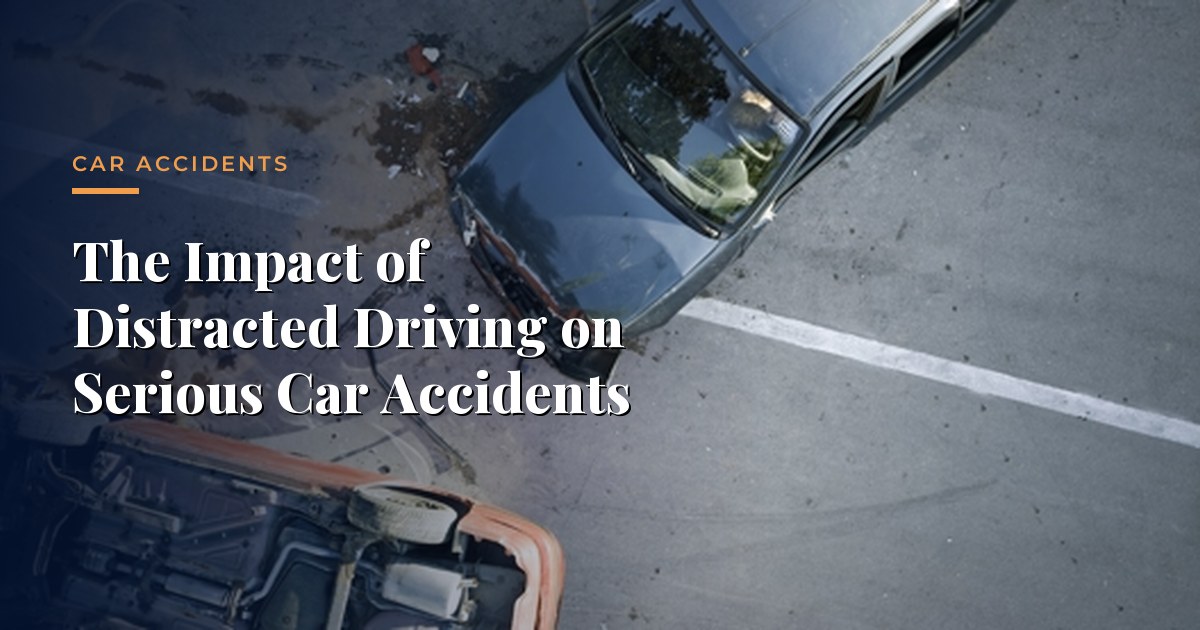
Distracted driving has become a pressing concern in today's fast-paced, tech-savvy world. It is no longer just a buzzword but a pervasive issue that directly correlates with the occurrence and severity of serious automobile accidents.
The Distracted Driving Epidemic
The rise of smartphones and other electronic devices has led to a significant increase in distracted-driving incidents. Whether it's sending a text message, checking social media, or browsing the internet, these distractions divert a driver's attention away from the road.
Understanding the Forms of Distraction
Distracted driving takes on various forms, and it's not limited to just texting. The primary categories of distraction include:
- Visual Distractions Taking your eyes off the road — anything from reading a text message to looking at a GPS screen or admiring the scenery.
- Manual Distractions Taking your hands off the steering wheel — eating, adjusting the radio, or fumbling with a phone.
- Cognitive Distractions Taking your mind off driving — daydreaming, engaging in deep conversations, or even being stressed.
The Deadly Consequences
The consequences of distracted driving can be deadly. It impairs a driver's reaction time, leading to accidents that might otherwise have been avoidable. An alarming number of serious car accidents result from this negligence. Injuries can be severe, and lives are often lost in the blink of an eye.
Statistical Data on Distracted Driving
- According to the Centers for Disease Control and Prevention (CDC), each day in the United States roughly 9 people are killed and more than 1,000 injured in crashes involving a distracted driver.
- According to the National Highway Traffic Safety Administration (NHTSA), distracted driving claimed 3,522 lives in the United States in 2021 alone.
Safety Implications and Legal Measures
In response to the growing concern over distracted driving, laws and safety measures have been put in place in many regions — texting-and-driving bans, hands-free device requirements, and public-awareness campaigns. Despite these efforts, the problem persists, emphasizing the need for a broader change in attitude toward distracted driving.
Potential Solutions and Awareness
To combat the issue effectively, a multifaceted approach is required. Some potential solutions include:
- Public Awareness Educating the public about the dangers of distracted driving is crucial. Campaigns and programs that target all age groups can help change perceptions and behaviors.
- Stricter Enforcement Law enforcement can play a significant role in reducing distracted-driving incidents; increased fines and penalties may deter drivers from engaging in distracting activities.
- Technology Solutions Automakers increasingly build in advanced safety features — lane-departure warnings, collision-avoidance systems, and smartphone integration that reduces the need for handheld devices.
- Personal Responsibility At the core of the issue lies personal responsibility. Drivers must acknowledge the dangers and commit to staying focused on the road, setting an example and holding themselves accountable.
The impact of distracted driving on serious car accidents is undeniable. It leads to injuries, loss of life, and immense suffering for victims and their families. To reduce the severity of these accidents and save lives, we must all take responsibility for our actions behind the wheel — not just to obey the law, but to recognize the potential consequences of our choices and make a conscious effort to drive without distraction. In doing so, we can help make our roads safer for everyone.