Georgia’s industrial landscape drives economic growth and provides thousands of jobs across the state. But as the industry grows, so does the risk of danger.
Simply put, the more companies, employers, and workers there are, the greater the chance of mistakes, errors in judgment, and even intentional wrongdoing that can put people at risk of injury or illness. As a Georgia resident or worker, it helps to know which industrial facilities and areas carry the most risk.
Plant Scherer Coal-Fired Power Plant • Juliette, GA
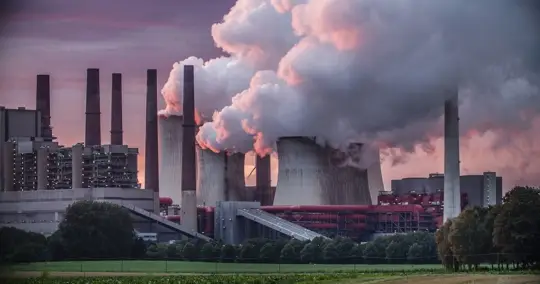
Georgia Power’s Plant Scherer, in Juliette, is easily recognized by the massive smokestacks and cooling towers visible from Highways 18 and 87/23. While the plant is critical for supplying electricity to much of the region, it’s also notorious as one of the most dangerous industrial facilities in Georgia — and the entire United States.
A study published in Science and ScienceAdviser concluded that Plant Scherer may be responsible for more than 500,000 deaths since it began operations. Have 500,000 workers died at the plant? No — it has never employed nearly that many people. Instead, the study found that the coal pollution from Plant Scherer is far more potent, and therefore deadlier, than pollution from other coal-fired plants. Atmospheric models suggest many of these deaths involved elderly individuals whose pre-existing health conditions were worsened by the pollution.
On top of that, Plant Scherer carries the everyday hazards common to coal-fired power plants. Workers there face risks such as falls from heights, exposure to hazardous substances, and crush injuries.
LCP Chemicals Superfund Site North of Brunswick, GA
North of Brunswick, just off Highway 341, lies the LCP Chemicals Superfund Site. No large-scale industrial operation runs there today, but the 813-acre property housed major industrial facilities from the 1920s through the 1990s. Operations ceased in the mid-1990s amid growing concern over environmental contamination that made the area unsafe for workers and nearby residents. The site was later added to the U.S. Environmental Protection Agency’s National Priorities List of highly hazardous waste sites.
Contaminants found in the soil of the LCP Superfund Site include:
- Mercury
- Lead
- Dioxins
- Aromatic hydrocarbons
- Polychlorinated biphenyls (PCBs)
- And more
Although the site has been out of industrial use for decades, it’s not entirely vacant. A large shipping-container yard and the Glynn County Detention Center sit adjacent to the property, and some construction companies use the site to dump industrial waste like rock and debris — putting workers at risk of exposure to dangerous contaminants.
Poultry Plants Statewide
Numerous industrial poultry plants — chicken and turkey processing operations — run throughout Georgia. Major brands like Tyson Foods have plants in cities such as Cumming, while smaller operations, like Milestones Foods in Lake City, dot the rest of the state. These facilities share a high risk of workplace accidents and exposure to dangerous pathogens.
Poultry-plant workers face unique hazards, including injuries from industrial machinery and the risk of contracting pathogens like salmonella. The Centers for Disease Control and Prevention (CDC) reports that salmonella can be found in more than half of the poultry plants in the U.S.
Legal Action After an Industrial Workplace Accident
In Georgia, industrial workers injured on the job or exposed to hazardous materials may have legal options to seek compensation. Workers’ compensation benefits — including wage replacement and medical care — are often available if the worker is covered by an applicable policy. When workers’ compensation isn’t available, a personal-injury claim against the employer or a responsible third party may be an option for pursuing both economic and non-economic damages.
If you’re an industrial worker in Georgia who has been injured, know that Morrison & Hughes is here to help. Our attorneys proudly represent workers from every industry and background — including seasonal and undocumented workers, who often don’t realize they’re entitled to important legal protections.
Injured at an Industrial Job Site? Know Your Rights.
Every industry, every background — including seasonal and undocumented workers. We’ll pursue every source of compensation available to you.
To learn more about your rights and our services, call 404-LAW-TEAM or schedule a free consultation.