Key Points to Remember
- Start with fault. The first thing to figure out is who's at fault for the crash.
- If it was your fault, contact your insurance company and see if you have full coverage. If you do, ask them to take care of your vehicle. You'll pay your deductible out of your own pocket.
- If the other driver caused it, you can file with their insurance company (you'll usually find their insurance information on the police report) or use your own. Your own is usually faster and easier, but you'll pay your deductible. If you weren't at fault, Georgia law says using your own insurance shouldn't increase your rates. Going through the at-fault driver's insurance can save you that deductible, but it usually takes longer.
- Expect an inspection. The insurance company will send an adjuster to decide whether your car can be repaired or is a total loss. If it's a total loss, you'll need to sign over the title before they pay you for it.
- Don't let fees pile up. With only liability coverage and a fault dispute, your car could sit while fees keep adding up. If they aren't paid, the tow yard may eventually declare your vehicle abandoned and legally sell it. Consider having your car towed home or to another safe location while the insurance companies sort things out.
- Keep every receipt, invoice, and towing bill. If you're entitled to reimbursement, you'll need those documents.
Read the Full Transcript
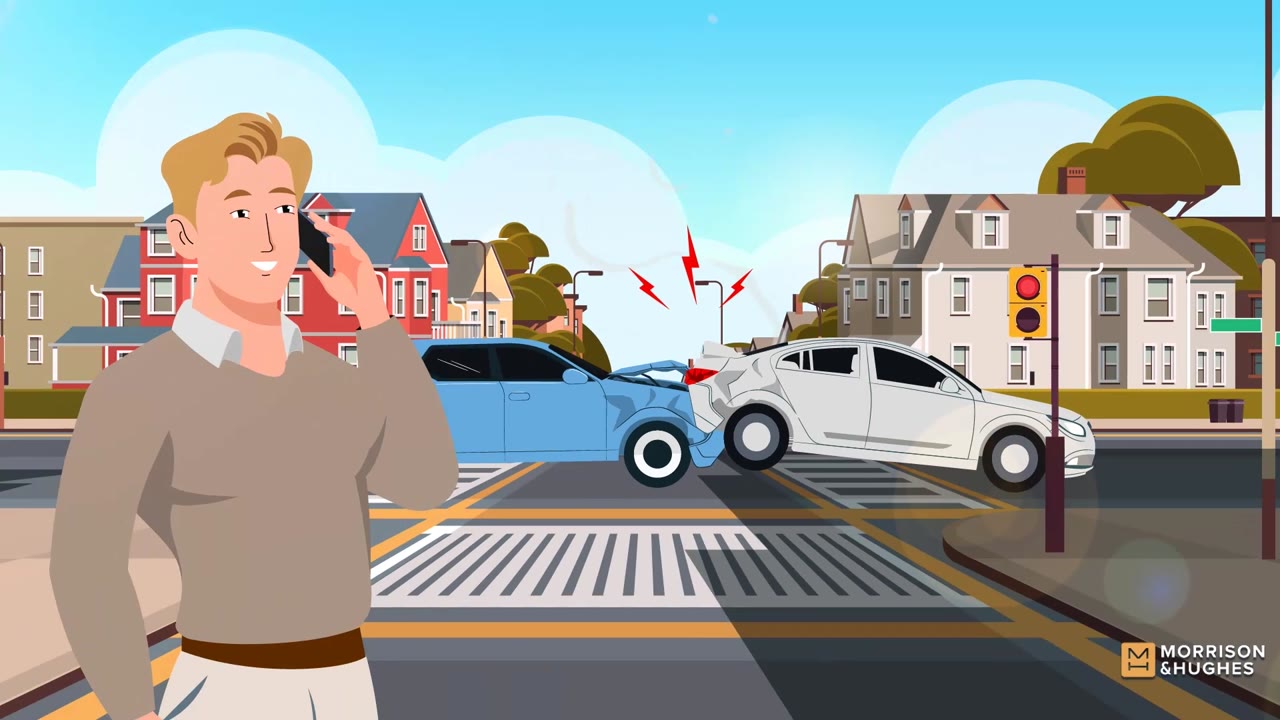
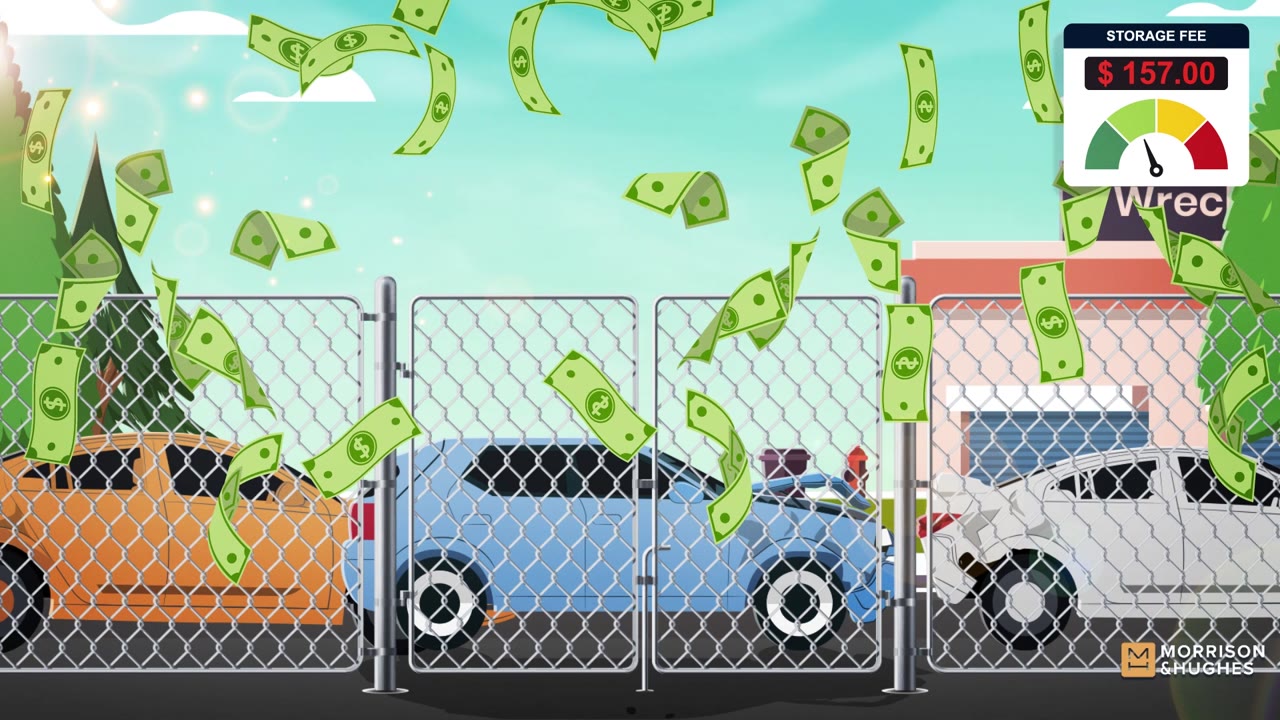
So you have been in a collision and your car has been towed. Now your car is sitting in a wrecker yard, and every day storage fees are adding up. So the big question is, who's going to pay for all this?
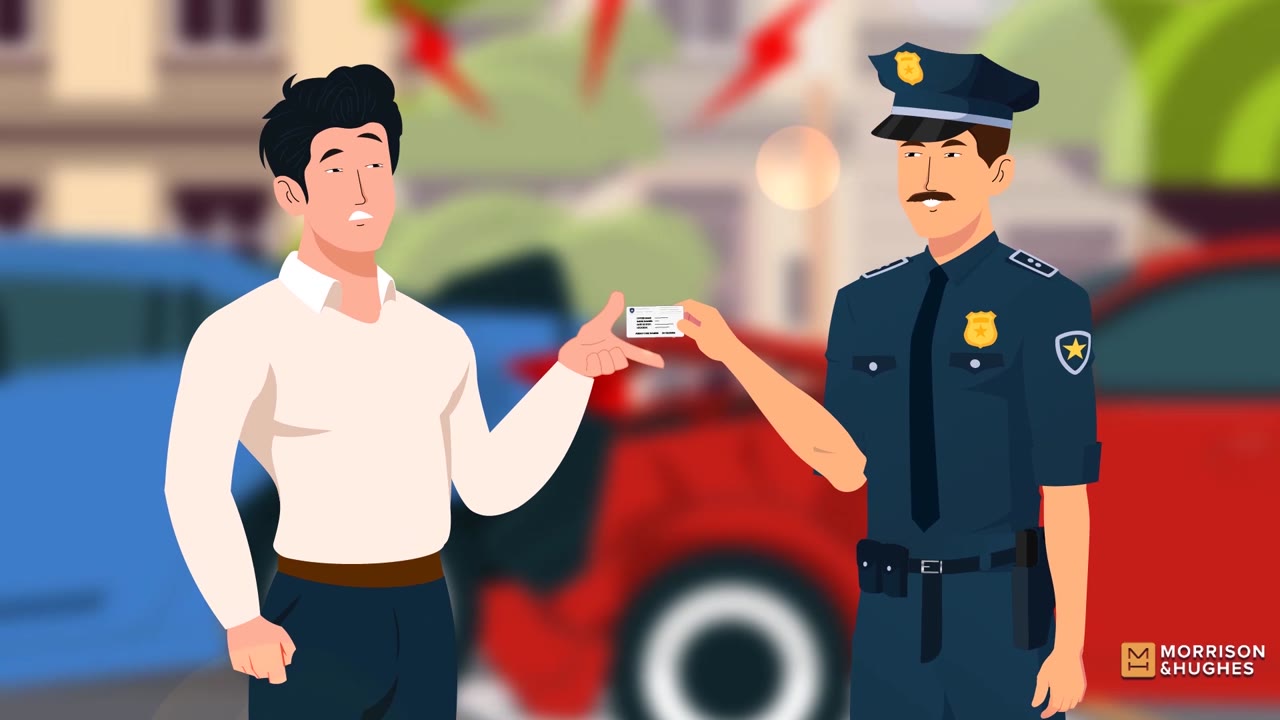
The first thing you need to figure out is who's at fault for the crash. If the accident was your fault, contact your insurance company and see if you have full coverage. If you do, ask them to take care of your vehicle.
Just remember, you'll have to pay your deductible out of your own pocket. If the other driver caused the crash, you have another option. You can contact their insurance company.
You'll usually find their insurance information on the police report. Once you know who their insurance company is, you have a choice. You can use your own insurance, or you can file the claim with the at-fault driver's insurance.
Using your own insurance is usually faster and easier, but you'll have to pay your deductible. If you weren't at fault, Georgia law says using your own insurance shouldn't increase your rates. Going through the at-fault driver's insurance can save you that deductible, but it usually takes longer.
Whichever insurance company you choose, they'll send an adjuster to inspect your vehicle and determine whether it can be repaired or if it's a total loss. If your vehicle is declared a total loss, you'll need to sign over the title before the insurance company can pay you for it. If you only have liability coverage and the insurance companies are still disputing who's at fault, your car could sit in the tow yard while storage fees keep adding up.
If those fees aren't paid, the tow yard may eventually declare your vehicle abandoned and legally sell it. One of the smartest things you can do is have your car towed home or to another safe location while the insurance companies sort things out. Keep every receipt, invoice, and towing bill.
If you're entitled to reimbursement, you'll need those documents. And if you were injured, don't try to handle this alone. Insurance claims, storage fees, and liability disputes can get complicated fast.
Having the right attorney can make a big difference. In a crash, call Morrison & Hughes, 404-LAW-TEAM. We don't back down.
This video is general information about Georgia car accidents, not legal advice for your specific situation.