Key Points to Remember
- Ask the adjuster. In many cases, the at-fault driver's insurance will help set you up with a rental car. You can ask the property damage adjuster to connect you with their preferred rental company.
- Coverage lasts a reasonable time, usually while your car is being repaired.
- Totaled car? You'll need to sign over your title, and sometimes provide your keys, before the insurance company can pay you. Once you receive that payment, the rental car coverage usually ends.
- Avoid unnecessary delays. You have a duty to mitigate your damages. If you keep the rental beyond what's reasonable, you could end up paying those extra costs out of pocket.
- Use your own rental coverage if needed. If the other driver's insurance isn't cooperating, your own policy may cover a rental if you purchased rental coverage. You may have to pay a deductible up front.
- Expect a reasonable replacement, not an upgrade. If you rely on a specialized vehicle for work, the insurance company may need to provide something similar. If it doesn't, the earnings you lose could become part of your claim.
- No rental coverage? You can still rent a car yourself for a reasonable time. Keep all your receipts, because those costs can often be included as part of your damages.
Read the Full Transcript
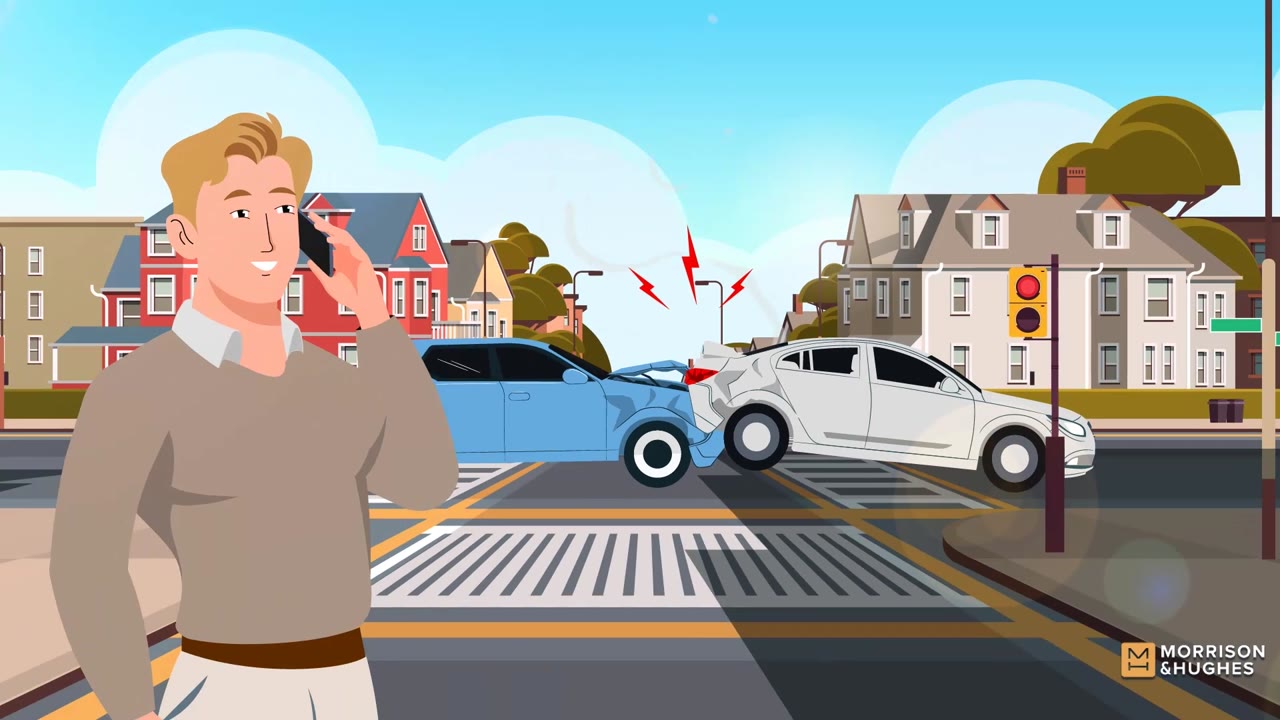
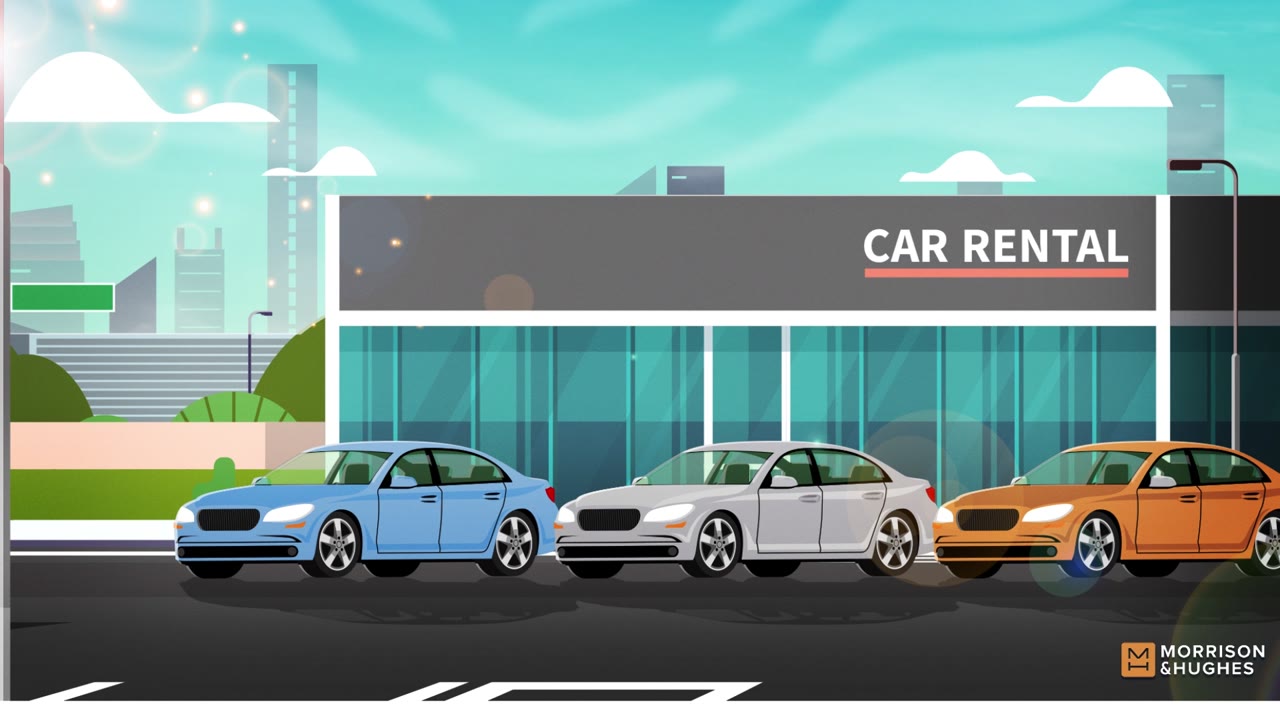
So you've been in a wreck. Now you're wondering: how do you get a rental car, and who actually pays for it? In many cases, the at-fault driver's insurance will help set you up with a rental car.
You can ask the property damage adjuster to connect you with their preferred rental company. Once you have a rental, the insurance company typically pays for it during a reasonable amount of time, usually while your car is being repaired. If your car is totaled, things work a little differently.
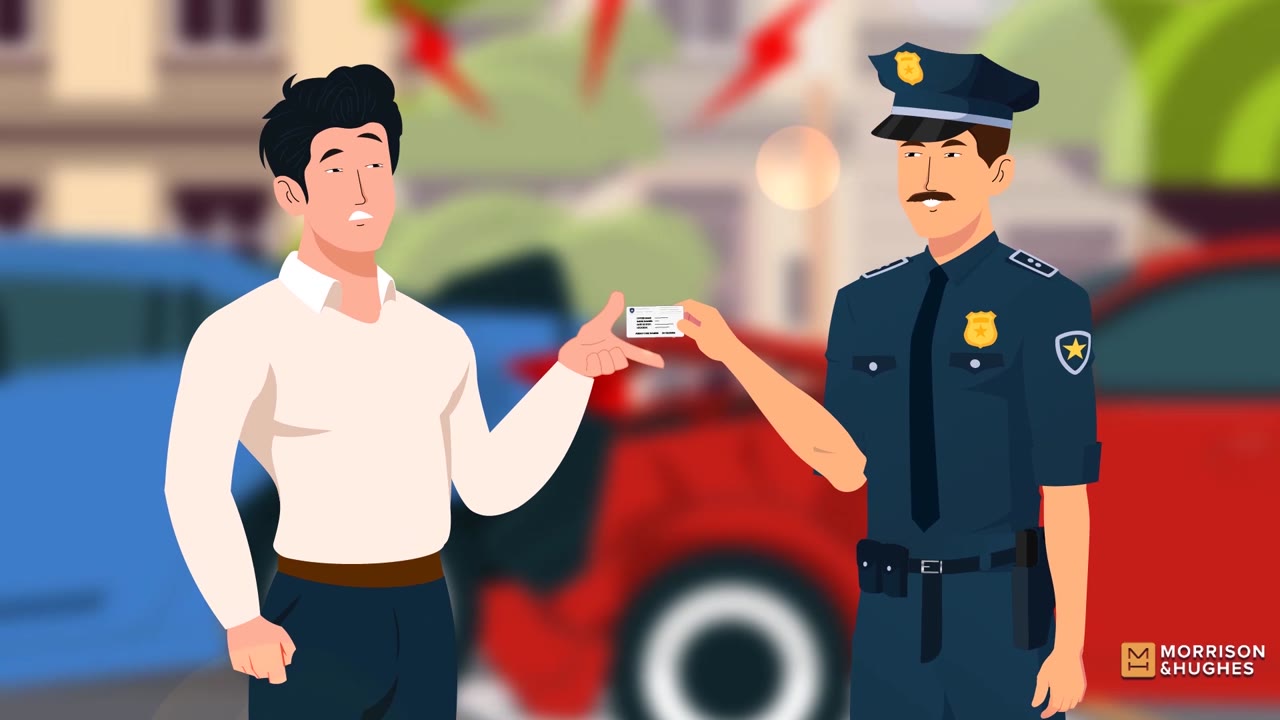
You'll need to sign over your title and sometimes provide your keys before the insurance company can pay you. Once you receive that payment, you now have the ability to purchase a new car, and the rental car coverage usually ends. You also have a duty to mitigate your damages.
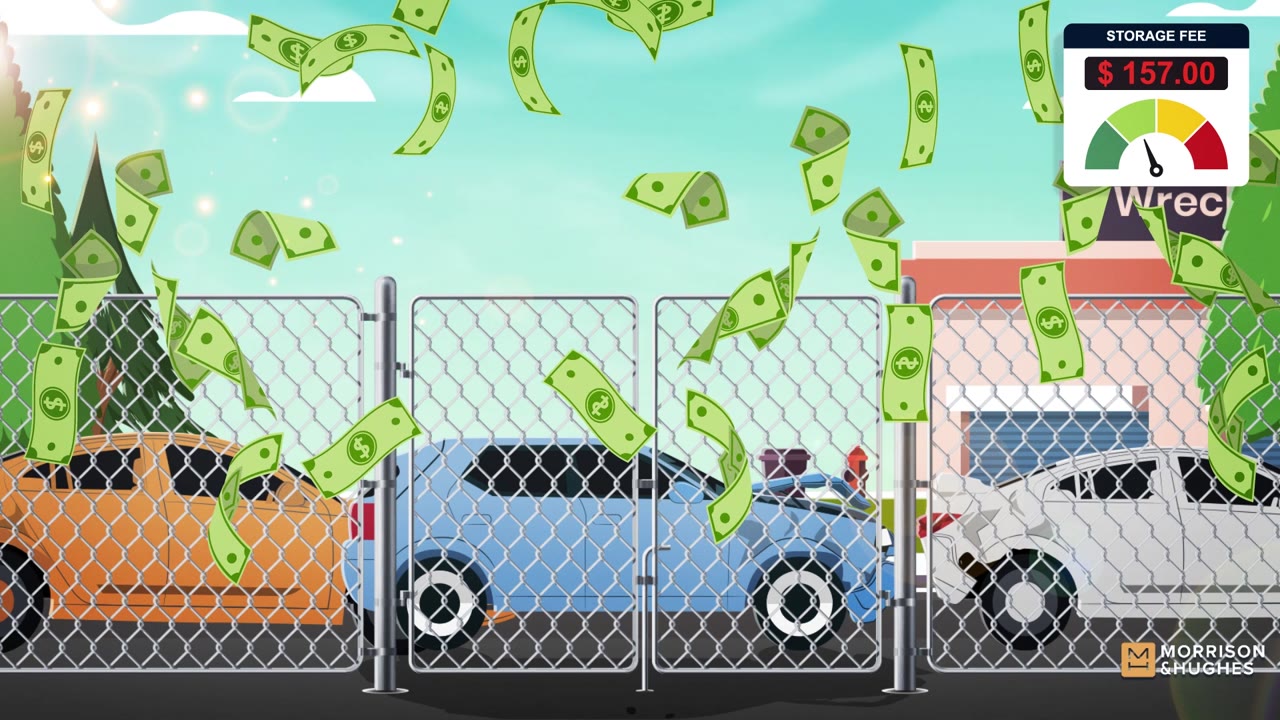
That means you need to act reasonably and avoid unnecessary delays. If you take too long or keep the rental beyond what's reasonable, you could end up paying those extra costs out of pocket. If the other driver's insurance isn't cooperating, your own policy may cover a rental if you purchased rental coverage.
Just keep in mind, you may have to pay a deductible up front. Driving a luxury car doesn't mean you'll get a luxury rental. Insurance typically covers a reasonable replacement, not an upgrade.
However, if you rely on a specialized vehicle for work, the insurance company may need to provide something similar. Otherwise, those lost earnings could become part of your claim. If you don't have rental coverage, you can still rent a car yourself for a reasonable time.
Just make sure to keep all your receipts. Those costs can often be included as part of your damages. If you have questions about your situation or need help dealing with insurance, reach out to Morrison & Hughes.
We'll help you figure out your next step. In a crash, call Morrison & Hughes, 404-LAW-TEAM. We don't back down.
This video is general information about Georgia car accidents, not legal advice for your specific situation.